
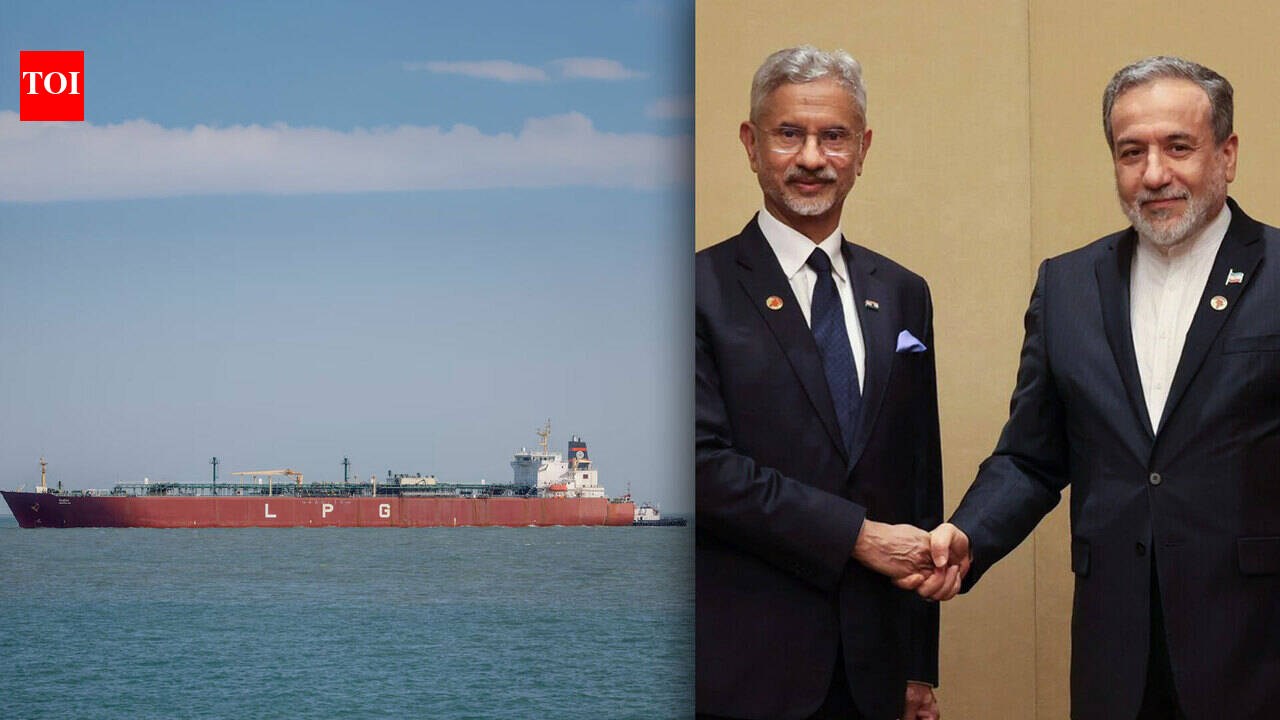
Iran Grants Safe Passage for India and Allies Through Strait of Hormuz
Iran's selective safe passage through the Strait of Hormuz impacts global oil and gas markets, highlighting geopolitical risks.
The Brief
- Iran has allowed safe transit for vessels from India, China, Bangladesh, and Turkey through the Strait of Hormuz.
- This selective access mitigates supply shocks for favored economies but increases weaponized trade risks.
- LNG and oil logistics premiums are influenced by this geopolitical checkpoint.
- The move highlights the weaponization of trade routes and the strategic importance of the Strait of Hormuz.
- Traders should consider the bifurcated market impacts favoring non-Western alignments.
The Story
The Strait of Hormuz, a critical chokepoint for global oil shipments, has become a geopolitical chessboard. Iran's decision to allow safe passage for vessels from India, China, Bangladesh, and Turkey amid the Hormuz crisis underscores the strategic importance of this narrow waterway. This selective access not only mitigates supply shocks for these favored economies but also serves as a stark reminder of the weaponization of trade routes.
The Strait of Hormuz, connecting the Persian Gulf to the Gulf of Oman and the open waters of the Arabian Sea, is a lifeline for global oil trade. Approximately 20% of the world's petroleum passes through this 21-mile-wide strait. Iran's control over this passage has long been a point of tension, and its recent actions add a new layer of complexity to the region's already volatile dynamics.
This move by Iran has immediate implications for global oil and gas markets. The selective safe passage could lead to bifurcated market impacts, favoring nations aligned with Iran. This development could influence LNG and oil logistics premiums, as well as the broader geopolitical landscape. The weaponization of trade routes through the Strait of Hormuz highlights the risks associated with global supply chains and the strategic importance of this region.
For the broader financial and political landscape, this development underscores the shifting alliances and the increasing importance of non-Western alignments in global trade. The selective safe passage could lead to a reevaluation of trade routes and supply chain strategies, with potential long-term implications for global economic stability.
Market Impact
This event significantly impacts oil and gas prediction markets, particularly those related to logistics premiums and supply chain risks. Traders should watch for shifts in probabilities related to geopolitical stability in the region, as well as potential changes in trade route strategies. Key upcoming catalysts include any further actions by Iran in the Strait of Hormuz and responses from affected nations.
Explore on Predifi
Source: timesofindia.indiatimes.com
Get daily market intelligence in your inbox.
Prediction market analysis, probability shifts, and trading insights — every morning.
Join the Predifi waitlist →